

Feel Fuller, Naturally: 7 Nutrition Habits to Help You Manage Hunger Without Obsessing Over Food
Listen Instead
Checking for audio...
You ate breakfast. Good for you. But by 10:30 a.m., your stomach is already making its case for a second meal — and reaching for something from the break room feels less like a choice and more like a survival instinct.
Sound familiar? You're not alone — and it's not a willpower problem.
What you eat, how you combine foods, and even how quickly you eat can powerfully influence how satisfied you feel between meals. And that satisfaction — real, lasting fullness — is one of the most underrated factors in sustainable weight management.
Whether you're working toward a healthy weight on your own or participating in a medically supervised weight-management program, these seven habits can help you feel more in control — without obsessing over every bite.
"Managing hunger isn't about eating the least amount possible. It's about choosing foods and habits that work with your body, not against it."
1. Build Every Meal Around Protein (Yes, Every Meal)
Protein isn't just for gym days. It's one of the most satiating nutrients available — and it's likely the most underused hunger-management tool most people have.
When you eat enough protein, your body releases hormones that signal fullness, and digestion slows enough to keep hunger at bay longer. It also helps you preserve lean muscle mass as you lose weight, which matters more as we get into our 40s and 50s.
Try including a protein source at every meal:
- Breakfast: Eggs, cottage cheese, or plain Greek yogurt
- Lunch: Chicken, tuna, tofu, or lentils
- Dinner: Fish, lean meat, beans, or tempeh
- Snacks: Greek yogurt, edamame, or an apple with nut butter
2. Add Fiber — Your Hunger's Quiet Opponent
Fiber adds bulk to meals and slows digestion, which keeps you feeling satisfied longer. It also feeds the beneficial bacteria in your gut, which plays a bigger role in appetite regulation than most people realize.
Here's a simple way to think about it: a glass of apple juice versus a whole apple. Same fruit — but the whole apple has fiber, requires chewing, and takes longer to eat. It's almost always more satisfying than the juice, calorie for calorie.
Good everyday sources include vegetables, berries, beans, lentils, oats, and whole grains.
3. Sugar and Hunger: The Real Relationship
Does sugar make you hungrier? Sometimes — but the relationship is more nuanced than "sugar bad."
The real issue is usually this: sugary drinks and highly processed snacks deliver significant calories without much protein or fiber. They're often easy to consume quickly. That combination — fast, low-satiety calories — makes it easy to eat more than intended and still feel unsatisfied 30 minutes later.
That said, not all sugar is created equal. Whole fruit delivers natural sugars alongside water, fiber, and nutrients that slow the whole process down.
4. Slow Down — Your Body Needs Time to Catch Up
Your gut and brain communicate through a complex signaling system that regulates hunger and fullness. The catch? That system takes time — roughly 15–20 minutes — to register that you've eaten enough.
If you're eating quickly, working through lunch at your desk, or scrolling through your phone at dinner, those signals are easy to miss. The result: you feel fine while eating, then overly full 20 minutes later — or you stop too soon and feel hungry again shortly after.
"You don't have to count every calorie to eat smarter. Sometimes slowing down is the most powerful change you can make."
5. The No-Scale Plate Method for Portions That Work
The Balanced Plate
- ½ plateNon-starchy vegetables
- ¼ plateLean protein
- ¼ plateWhole grains or fiber-rich carbs
Add moderate healthy fats: olive oil, avocado, nuts, or seeds.
Weighing and measuring food works well for some people — but for most of us, it's not a long-term approach. The Balanced Plate method gives you a practical, visual guide that travels with you everywhere.
A simple starting point:
- ½ of your plate: Non-starchy vegetables
- ¼ of your plate: Lean protein
- ¼ of your plate: Whole grains or fiber-rich carbohydrates
Add moderate amounts of healthy fats: olive oil, avocado, nuts, or seeds.
This approach works in restaurants, at home, and while traveling — no apps, no scales. It's not about perfection; it's about a consistent starting point.
6. Sleep and Hydration: The Hunger Connection Most People Miss
Here's something that surprises a lot of people: hunger isn't just about food.
When you're sleep-deprived, your body produces more of the hormone that signals hunger and less of the one that signals fullness. It also makes high-calorie, highly palatable foods more appealing — which is why the break room donuts seem particularly hard to resist on a bad night's sleep.
Similarly, mild dehydration can mimic feelings of hunger. Drinking water throughout the day — especially before meals — supports normal digestion and can help you tune in more accurately to what your body actually needs.
7. If You're Using a GLP-1 Medication: What to Know About Eating
Medications like semaglutide (Ozempic®, Wegovy®) and tirzepatide (Mounjaro®, Zepbound®) work through pathways involved in appetite and fullness — which is why many patients notice a meaningful reduction in hunger, particularly after dose adjustments.
But individual responses vary, and these medications work best when combined with the nutrition habits above. Here's what tends to matter most during treatment:
- Eat smaller, balanced meals if larger meals feel uncomfortable.
- Prioritize protein and overall nutritional adequacy — reduced appetite doesn't mean reduced nutritional needs.
- Increase fiber gradually and stay well-hydrated.
- Avoid forcing yourself to finish meals when you're comfortably full — that signal is real and worth respecting.
- Discuss any persistent nausea, constipation, or concerns about intake with your prescribing provider.
Important: Never adjust your medication dose or schedule without guidance from your prescribing provider. If you're currently participating in one of our GLP-1 programs at Primma Wellness, our team can help connect you with your provider for personalized guidance.
Small Changes, Real Progress
Sustainable weight management isn't about eating as little as possible. It's about developing habits that help you feel nourished, satisfied, and consistent — day after day, meal after meal.
Start with one or two changes rather than overhauling everything at once. You might begin by adding protein to breakfast, replacing sugary drinks with water, or simply putting your phone down during dinner.
And remember: progress isn't measured by the scale alone. Positive changes in appetite patterns, energy levels, and eating habits are worth noticing — and worth discussing with your care team.
Ready to Build a Plan That's Personalized for You?
At Primma Wellness, sustainable progress comes from combining medical oversight, practical nutrition education, and ongoing support, not quick fixes or one-size-fits-all programs. Explore our GLP-1 Program or take the free Wellness Assessment.
Educational disclaimer: This article provides general nutrition and wellness information and is not a substitute for individualized medical advice. Dietary needs and medication responses vary by individual. Please consult your licensed healthcare provider regarding treatment decisions, symptom management, or any changes to your care plan.
Ready to start your wellness journey?
Book a ConsultationContinue Reading

What Is Lipo-B (MIC + B12)? A Clear Guide to Lipotropic Injections
Learn what's inside Lipo-B (MIC + B12) injections, what each ingredient does, what the evidence honestly shows, and how to know if lipotropic injections might belong in your wellness plan.
Read More
What Is Sermorelin? Understanding the Peptide Behind Growth Hormone Signaling
Learn what Sermorelin is, how it stimulates natural growth hormone release, and what research says about sleep, recovery, aging, and safety. A clear, honest guide.
Read More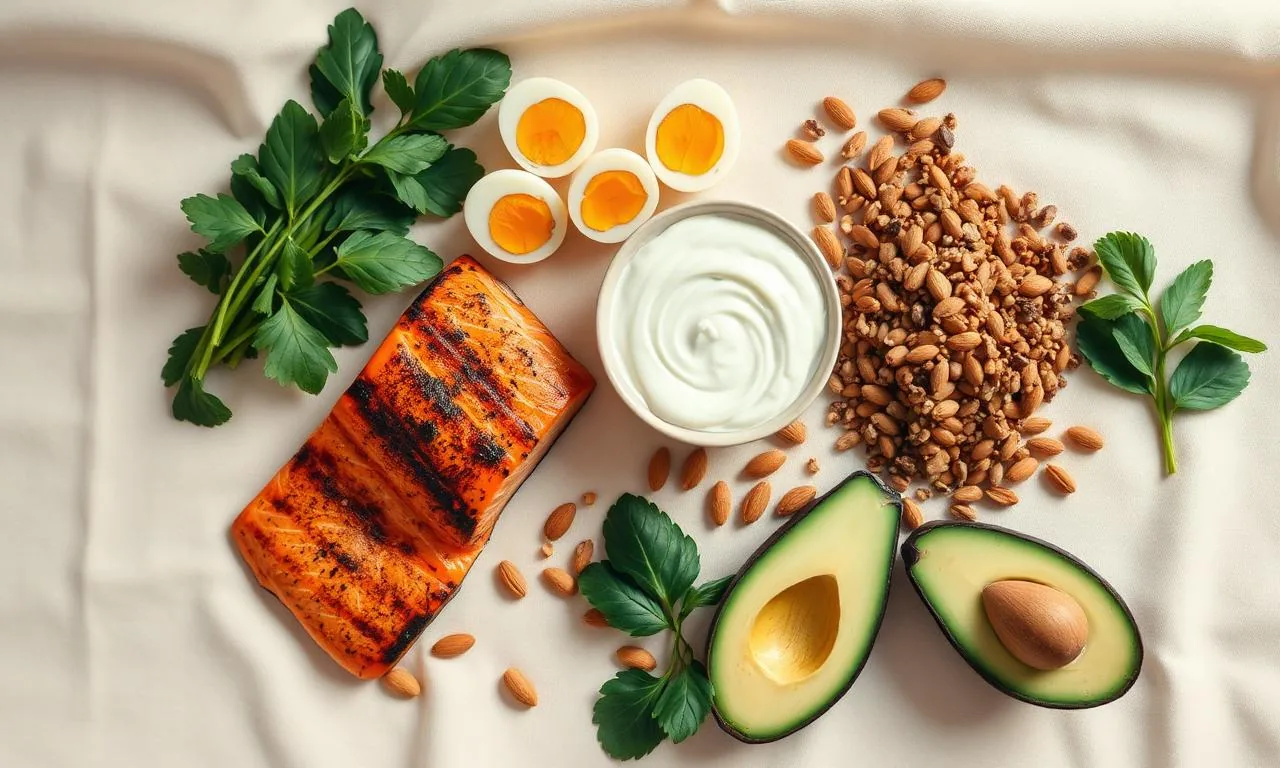
The Weight Loss Trap: Why Eating Less Can Make It Harder to Lose Weight
Discover why eating less can slow your metabolism, reduce muscle, and contribute to low energy and iron levels—and how a protein-first approach supports better results.
Read More