
The Weight Loss Trap: Why Eating Less Can Make It Harder to Lose Weight
Listen Instead
Checking for audio...
Most people trying to lose weight believe the same thing:
"If I just eat less, the weight will come off."
It sounds logical. But for many people, it quietly creates the opposite result.
Because when your body doesn't get enough protein, it doesn't just lose weight… it loses muscle.
And muscle isn't just for strength or appearance. It's one of the key drivers of your metabolism, energy, and long-term fat loss.
What Happens When Protein Is Too Low
When protein intake drops too low, your body shifts into a protective mode:
- Muscle mass begins to decline
- Metabolism slows down
- Energy levels drop
- Fat loss becomes less efficient
- Cravings and hunger often increase
This is why many people feel stuck. They're eating less… but their body is working against them.
The Iron and Energy Connection
There's another piece that often goes unnoticed.
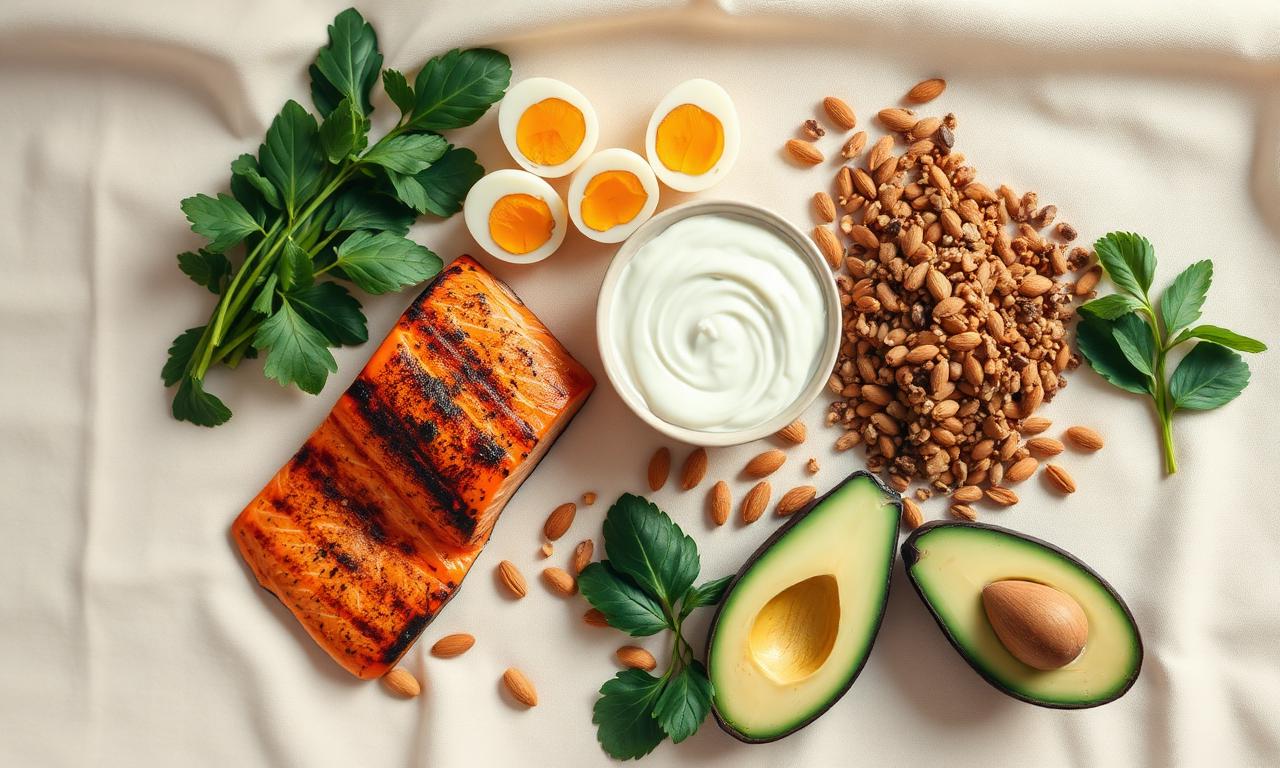
Many of the most accessible sources of iron—the mineral that supports oxygen delivery, energy levels, and overall vitality—are also protein-rich foods.
When protein intake drops, iron intake often drops with it.
Over time, this can contribute to:
- Low energy and fatigue
- Feeling physically drained
- Reduced exercise tolerance
- Slower overall progress
This is one reason some people feel worse, not better, when they try to eat less.
It's not just about calories. It's about what your body is no longer receiving.
Why This Matters During Weight Loss Programs
When you're actively trying to lose weight, your body is already in a calorie deficit.
Without enough protein:
- A larger percentage of weight loss can come from muscle
- Fat loss becomes slower and less sustainable
- Energy levels may decline instead of improve
- Nutrient gaps, like low iron, can become more noticeable
Focus on Body Composition, Not Just the Scale
The real goal isn't just a lower number on the scale.
It's:
- Preserving lean muscle
- Reducing body fat
- Supporting steady energy
- Improving how your body functions day to day
Protein plays a central role in all of this.
A Simple Shift That Changes Everything
Instead of focusing only on eating less, consider focusing on eating better:
- Include a quality protein source with each meal
- Prioritize protein earlier in the day
- Choose nutrient-dense foods over empty calories
- Be mindful of nutrients that support energy, like iron
Even small adjustments can make a meaningful difference in how you feel and how your body responds.
The Bottom Line
Weight loss isn't just about reducing calories.
It's about giving your body what it needs to function well while you're losing weight.
And in many cases, the missing piece isn't eating less…
It's not getting enough of what matters most.
If you're currently on a wellness or weight loss program and feeling low energy, stalled, or frustrated, small nutritional adjustments can make a meaningful difference alongside your plan. Explore our GLP-1 Programs or take the Wellness Assessment to see what may support your goals.
Ready to discover your personalized wellness path?
Take the Wellness AssessmentContinue Reading

Mental Health: The Foundation of Total Wellness — And How Peptides Can Help
Mental health is inseparable from physical health, influencing everything from immune function and heart health to motivation and resilience. Discover how peptide therapies like Semax, Selank, and NAD+ support the mind-body connection for comprehensive wellness.
Read More
The Future of Wellness in 2026: Longevity, Regeneration, and Metabolic Optimization
Discover how peptides, NAD+ therapies, and GLP-1 medications are transforming wellness in 2026. Learn about regenerative medicine, cellular rejuvenation, and personalized longevity programs.
Read More
Peptides for Fat Loss: A Holistic Guide to Sustainable Weight Management
Discover how peptide therapy for fat loss works best when combined with nutrition, exercise, sleep optimization, and mindset. A science-backed guide to holistic metabolic health.
Read More